Ethereum's Glamsterdam upgrade could slip to May 2027 as gas changes threaten deployed contracts
At the All Core Developers call on November 19, 2026, Ethereum developers weighed shipping Glamsterdam as early as mid-January 2027 or reworking its gas-repricing EIPs, which could push mainnet to April or May. No decision was made; at least 50 affected projects have been contacted.

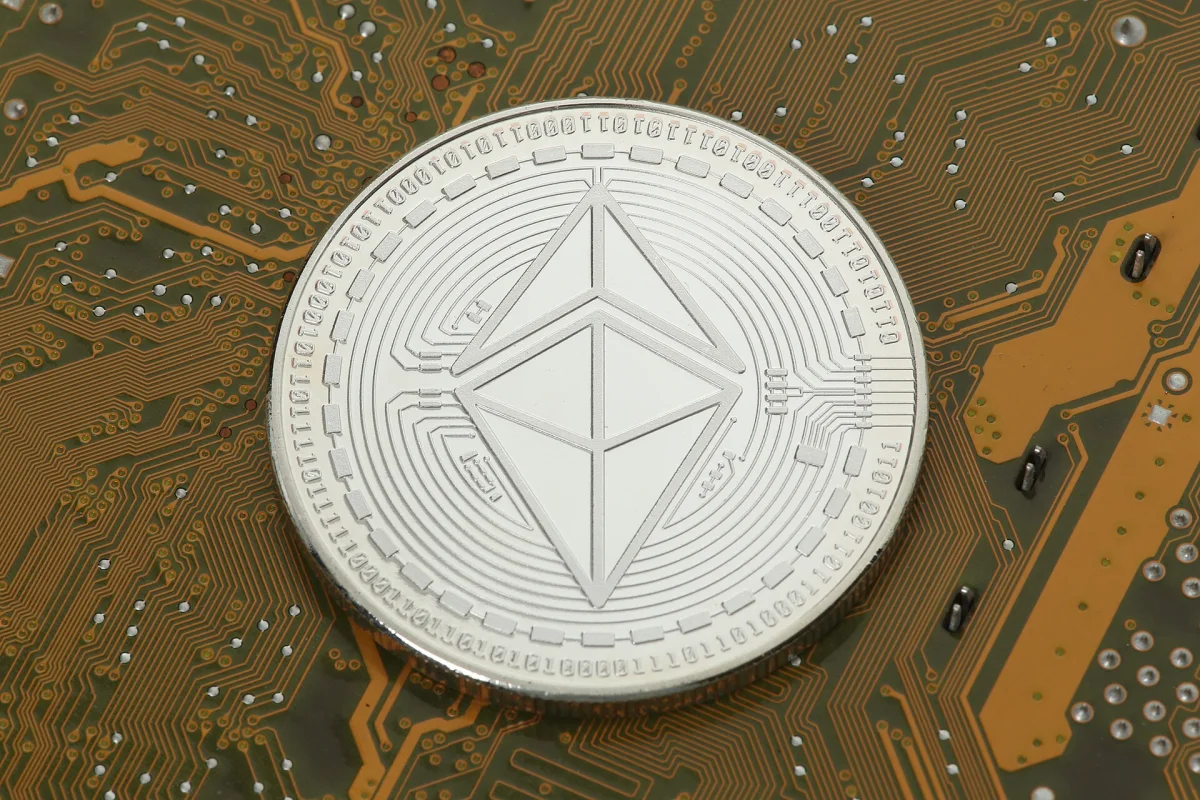
Ethereum’s next major network upgrade, Glamsterdam, may not reach mainnet until May 2027. On the All Core Developers (ACD) call on Thursday, November 19, 2026, developers debated whether to keep two contested gas-pricing proposals as written — which could allow activation as early as mid-January — or modify them to avoid breaking deployed smart contracts, which could push the fork to April or May. No decision was made.
Why Glamsterdam is stuck
The problem sits in EIP-8037 and EIP-8038, two proposals that, in the words of an Ethereum Foundation blog post by Marius van der Wijden, “rework how much gas is charged for certain operations and how gas is charged for state.” Security firm ChainSecurity found that some deployed projects rely on assumptions — invariants — about gas costs that those changes would break, potentially leaving them exploitable after the upgrade.
That finding already cost the upgrade its testnet slot. The Foundation post says ACD “decided to delay the hardfork process and not fork Hoodi until the issues are resolved.” The Hoodi testnet fork had been planned for October 26, according to Cointelegraph. The Foundation engaged ChainSecurity and Dedaub to audit the impact and asked contract developers to check their code against eight specific invariants, with audit reports due on November 13 and the findings discussed on calls on November 16 and 19.
Three timelines on the table
According to Cointelegraph and GNcrypto, developers outlined three broad scenarios:
- Keep the current specs: mainnet activation could come as early as mid-January 2027.
- Wait until January to decide: activation could slide to late February or early March.
- Modify the specs: the fork could move to April or as late as May 2027.
The trade-off is not simply speed versus safety. Changing the specifications means new code and new audits. “Every spec change could, again, break new invariants that we are not aware of breaking yet,” one developer said on the call, as quoted by both outlets.
How many projects are affected
The Ethereum Foundation, ChainSecurity and Dedaub have contacted at least 50 affected companies, according to Cointelegraph, GNcrypto and a PANews report carried by Phemex. Three projects were classified as high-impact and are expected to ship fixes by mid-December; medium-impact projects reported remediation timelines running to January 10, 2027. Cointelegraph and GNcrypto add that 13 affected contracts were identified in October, before the wider review in November. No project has been named publicly.
For users, this is the key point: the risk is not to ETH balances held in ordinary wallets but to specific smart contracts whose security depends on today’s gas costs. Developers are trying to make sure those contracts are patched — or the rules adjusted — before the fork goes live. Our explainer on where DeFi yield comes from covers why smart-contract assumptions matter for protocols holding user deposits.
Knock-on effect on Hegotá
The delay also touches the fork after Glamsterdam, known as Hegotá. Developers discussed narrowing its scope to speed up work on post-quantum cryptography and raised a compatibility concern around EIP-8151, Cointelegraph and GNcrypto report. Client teams are expected to submit their positions on Hegotá in about two weeks.
FAQ
Has Glamsterdam been officially delayed to May 2027?
No. May 2027 is the latest of three scenarios discussed on the November 19 call. Developers made no decision, and keeping the current specs could still allow activation in mid-January 2027.
What is causing the delay?
Two gas-repricing proposals, EIP-8037 and EIP-8038, would break cost assumptions some deployed smart contracts rely on, which security auditors warned could make them exploitable.
Are ordinary ETH holders at risk?
The concern is limited to specific smart contracts that depend on current gas costs. At least 50 affected companies have been contacted, and the three high-impact projects are expected to fix their code by mid-December.
The bottom line
Glamsterdam’s timing now depends on a choice between shipping the gas changes as written or rewriting them to protect deployed contracts. The first path points to mid-January 2027; the second could mean April or May. With no decision on November 19 and the Hoodi testnet fork still on hold, the upgrade will not activate in 2026. For context on how network changes interact with exchange support, see our guide to how to choose a crypto platform.
Sources:
- Ethereum Foundation blog — post on EIP-8037 and EIP-8038 and the Glamsterdam schedule (Marius van der Wijden) — November 6, 2026, updated November 9, 2026
- Cointelegraph — “Ethereum Glamsterdam upgrade could be delayed until May 2027” — November 19, 2026
- GNcrypto — “Ethereum’s Glamsterdam upgrade could slip to May 2027” — November 19, 2026
- Phemex News (via PANews) — “Ethereum Glamsterdam upgrade may slip to May 2027 over smart contract compatibility risks” — November 20, 2026
News summary based on reporting cited above, current as of November 20, 2026. Upgrade timelines are provisional and subject to developer decisions. For general information only; not financial or investment advice.
Photo: Tim Reckmann from Hamm, Deutschland / Wikimedia Commons, CC BY 2.0 (https://commons.wikimedia.org/wiki/File:Ethereum_(46501365895).jpg)

Our platforms
The latest crypto platforms reviewed by our team.

Scellérance Review 2026: Legit or Scam? Test + Clones
Scellérance in our 2026 test: UK Ltd (CRN 15427916) under a Swiss parent (CHE-012.309.567, 2023), a £575 withdrawal in 1 h 10, three clone domains days old.

Opulendra Review 2026: Legit or Scam? Test + Clone Check
Opulendra in our 2026 test: Ontario corp 17588787, three-source AI signals, a CA$640 withdrawal in 45 minutes and why opulendra.org is not the official site.

Daybreak Trustmere Review 2026: Legit or Scam? FCA + Test
Daybreak Trustmere in our 2026 test: a UK Ltd with CRN 15858566, multi-channel signals, a £465 withdrawal test in 42 minutes and no FCA warning-list entry.

SterlingVault AI Review 2026: Scam or Legit? Registry Check
SterlingVault AI review 2026: scores 3.6/5 — FCA Register FRN 987654 verified, withdrawal test passed in 2h 35m — for UK beginners accepting market risk.

LamboledgerATOM Review 2026: Legit or Scam? Our UK Hands-On Test
LamboledgerATOM review 2026: Companies House and FCA Register checks (FRN 984613), US$250 minimum, Faster Payments withdrawals, pros, cons and who it suits.

MetreturnETH Review 2026: Scam or Legit? Canada Hands-On Look
MetreturnETH review 2026: Ontario registration, CIRO-member partner broker, US$250 minimum deposit, Interac withdrawals in minutes–2 hours, and who it suits.

NorthShield Advisory Review: Trustworthy or Not? Canada Test 2026
NorthShield Advisory review 2026: Ontario corporation check, CIRO-member partner broker, US$250 minimum, Interac payouts in minutes–2 hours, pros and cons.

Nuvaultance Review Canada: Legit Platform or Scam? Our Test
Nuvaultance review 2026: Ontario registry check, CIRO-member partner broker with CIPF cover, US$250 minimum, Interac withdrawals in minutes–2 hours, pros and cons.

VestAccrue Review 2026: Legit or Scam? A Canada Hands-On Analysis
VestAccrue review 2026: Ontario registration, CIRO-member partner broker, US$250 minimum (about CA$340), Interac withdrawals in minutes–2 hours, who it suits.