Hong Kong gazettes a bill requiring crypto dealers, advisers, managers and custodians to be licensed by the SFC
Hong Kong published the Virtual Asset Services Legislation (Amendment) Bill 2026 on November 20, 2026. It brings virtual asset dealing, advisory, management and custody under SFC licensing or registration, and goes to the Legislative Council for first reading on December 2.
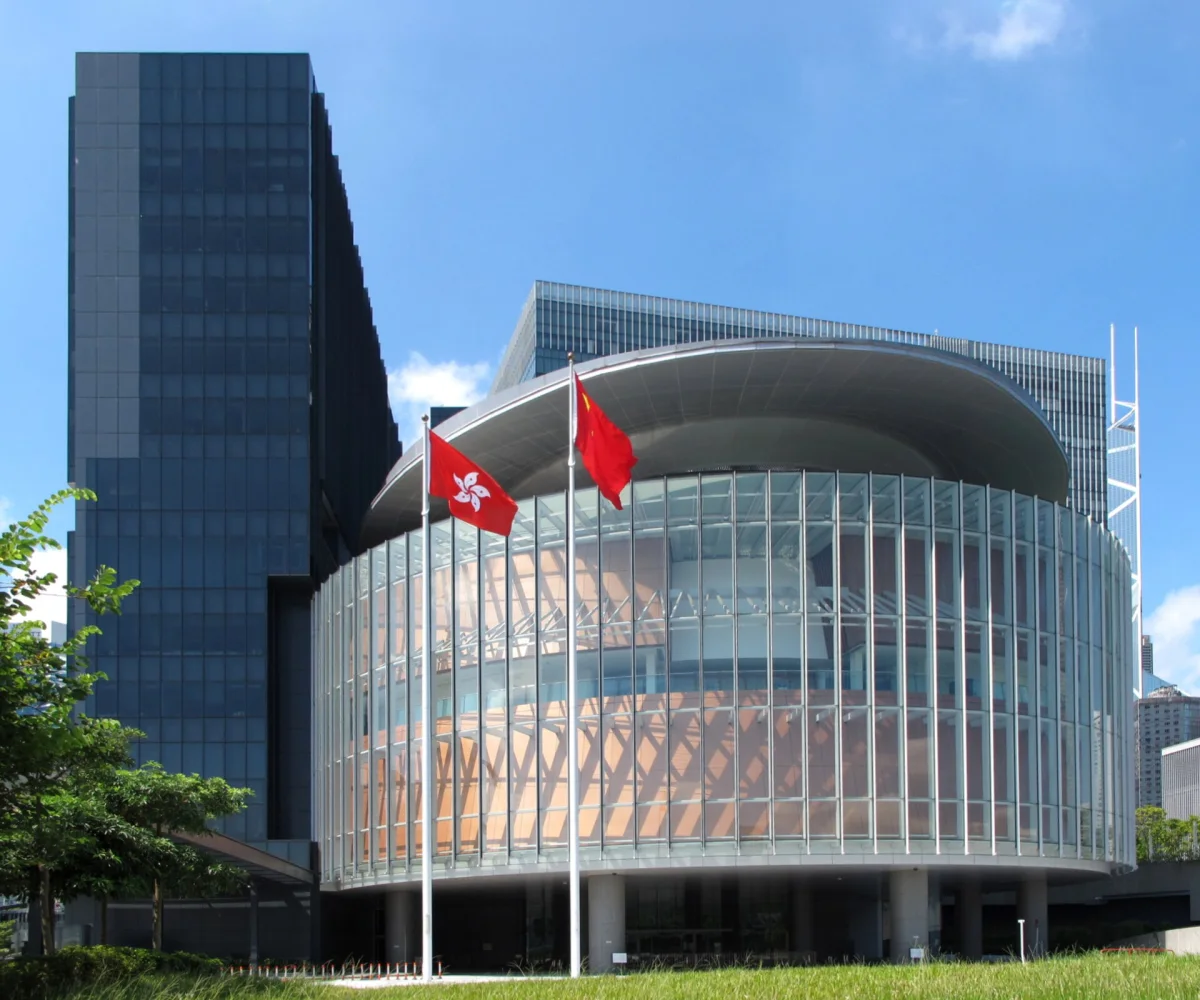
Hong Kong’s government published the Virtual Asset Services Legislation (Amendment) Bill 2026 in the Gazette on Friday, November 20, 2026. The bill would require any business dealing in, advising on, managing or safekeeping virtual assets in Hong Kong to be licensed by or registered with the Securities and Futures Commission (SFC). It extends a regime that until now has mainly covered crypto trading platforms, and it goes to the Legislative Council for first reading on December 2.
What the bill covers
According to the government’s press release, the bill amends the Anti-Money Laundering and Counter-Terrorist Financing Ordinance (Cap. 615) to create four new regulated activities:
- Virtual asset dealing — buying and selling virtual assets for clients, for example through brokers and over-the-counter desks.
- Virtual asset advisory — giving advice on virtual assets.
- Virtual asset management — managing virtual asset portfolios for others.
- Virtual asset custody — safekeeping clients’ virtual assets.
Anyone carrying on a business in these services in Hong Kong would need an SFC licence or registration and would face fit-and-proper tests and other regulatory requirements, the release says. CoinDesk and crypto.news describe the same four categories. The bill is a proposal at this stage and does not become law until it passes the Legislative Council.
Banks must register too
Banks are not exempt. Under the bill, banks and stored value facility licensees regulated by the Hong Kong Monetary Authority (HKMA) would have to register with the SFC if they want to offer any virtual asset services in Hong Kong. The bill gives both the SFC and the HKMA powers to implement the regime, according to the government release and The Coin Republic.
The government framed the change around the principle of “same activity, same risks, same regulation,” which it links to Hong Kong’s First Five-Year Plan. In practice, this means crypto services that look like traditional brokerage, advice, asset management or custody would be supervised on similar terms.
Julia Leung, chief executive of the SFC, said in the release: “The legislative proposal marks an important milestone in completing Hong Kong’s regulatory framework for virtual assets.”
How the bill took shape
The bill follows two rounds of public consultation. The government launched a consultation on virtual asset dealing and custody in June 2025 and published its conclusions on December 24, 2025. According to the December 2025 release, the dealing regime is aligned with the existing Type 1 (dealing in securities) licence, and the custody regime focuses on the safekeeping of private keys.
Advisory and management services were consulted on separately. The government’s May 26, 2026 conclusions aligned them with the Type 4 (advising on securities) and Type 9 (asset management) licences and said legislation would follow within 2026.
The bill adds to an already active regulatory year in Hong Kong. The city’s Stablecoins Ordinance has been in force since August 1, 2025, and on November 18 the SFC added Hyperliquid to its suspicious platform alert list as an unlicensed venue.
What is still unknown
The government release does not set a commencement date, a transitional period for firms already operating, or specific penalties. These details may emerge as the bill is examined in the Legislative Council.
For users, the practical effect, once the law is in force, would be that OTC desks, crypto advisers, fund managers and custodians serving Hong Kong clients must be on the SFC’s register. Our regulation by country guide explains how licensing rules differ across major markets, and our guide on how we check for scams covers how to verify a platform’s regulatory status.
FAQ
What does Hong Kong’s new crypto bill do?
The Virtual Asset Services Legislation (Amendment) Bill 2026 would require businesses offering virtual asset dealing, advisory, management or custody in Hong Kong to be licensed by or registered with the SFC.
Do banks need a licence to offer crypto services?
Banks and stored value facility licensees regulated by the HKMA would need to register with the SFC before offering virtual asset services in Hong Kong, according to the government release.
When will the bill become law?
It was gazetted on November 20, 2026 and is due for first reading in the Legislative Council on December 2. No commencement date has been announced.
The bottom line
Hong Kong is moving to close the gaps in its crypto rulebook. After licensing trading platforms and stablecoin issuers, it now wants brokers, OTC desks, advisers, managers and custodians under SFC supervision, with banks also required to register. The bill still has to pass the Legislative Council, and the timing and transition rules will decide how quickly firms must comply.
Sources:
- Hong Kong Government — “Virtual Asset Services Legislation (Amendment) Bill 2026 gazetted” — November 20, 2026
- Hong Kong Government — consultation conclusions on virtual asset dealing and custody — December 24, 2025
- Hong Kong Government — consultation conclusions on virtual asset advisory and management — May 26, 2026
- CoinDesk — “Hong Kong moves to extend crypto licensing rules to brokers, advisers and custodians” — November 20, 2026
- crypto.news — Hong Kong crypto licensing bill for virtual asset services — November 20, 2026
- The Coin Republic — “Hong Kong seeks to extend crypto regulation to four virtual asset services” — November 20, 2026
- Cointelegraph — Hong Kong crypto custody and advisory licensing bill — November 21, 2026
News summary based on reporting cited above, current as of November 21, 2026. The bill may change during the legislative process. For general information only; not financial or legal advice.
Photo: 17jiangz1 / Wikimedia Commons, CC BY-SA 4.0 (https://commons.wikimedia.org/wiki/File:Hong_Kong_Legislative_Council_Complex.jpg)

Our platforms
The latest crypto platforms reviewed by our team.

Scellérance Review 2026: Legit or Scam? Test + Clones
Scellérance in our 2026 test: UK Ltd (CRN 15427916) under a Swiss parent (CHE-012.309.567, 2023), a £575 withdrawal in 1 h 10, three clone domains days old.

Opulendra Review 2026: Legit or Scam? Test + Clone Check
Opulendra in our 2026 test: Ontario corp 17588787, three-source AI signals, a CA$640 withdrawal in 45 minutes and why opulendra.org is not the official site.

Daybreak Trustmere Review 2026: Legit or Scam? FCA + Test
Daybreak Trustmere in our 2026 test: a UK Ltd with CRN 15858566, multi-channel signals, a £465 withdrawal test in 42 minutes and no FCA warning-list entry.

SterlingVault AI Review 2026: Scam or Legit? Registry Check
SterlingVault AI review 2026: scores 3.6/5 — FCA Register FRN 987654 verified, withdrawal test passed in 2h 35m — for UK beginners accepting market risk.

LamboledgerATOM Review 2026: Legit or Scam? Our UK Hands-On Test
LamboledgerATOM review 2026: Companies House and FCA Register checks (FRN 984613), US$250 minimum, Faster Payments withdrawals, pros, cons and who it suits.

MetreturnETH Review 2026: Scam or Legit? Canada Hands-On Look
MetreturnETH review 2026: Ontario registration, CIRO-member partner broker, US$250 minimum deposit, Interac withdrawals in minutes–2 hours, and who it suits.

NorthShield Advisory Review: Trustworthy or Not? Canada Test 2026
NorthShield Advisory review 2026: Ontario corporation check, CIRO-member partner broker, US$250 minimum, Interac payouts in minutes–2 hours, pros and cons.

Nuvaultance Review Canada: Legit Platform or Scam? Our Test
Nuvaultance review 2026: Ontario registry check, CIRO-member partner broker with CIPF cover, US$250 minimum, Interac withdrawals in minutes–2 hours, pros and cons.

VestAccrue Review 2026: Legit or Scam? A Canada Hands-On Analysis
VestAccrue review 2026: Ontario registration, CIRO-member partner broker, US$250 minimum (about CA$340), Interac withdrawals in minutes–2 hours, who it suits.