Moscow Exchange will add 22% VAT to USDT trades when crypto trading opens on December 1
Moscow Exchange's clearinghouse said on November 24, 2026 that it will charge 22% VAT on top of USDT purchases, sales and swaps from December 1 to December 31, 2026. Bitcoin and ether trades on the same market are outside VAT.
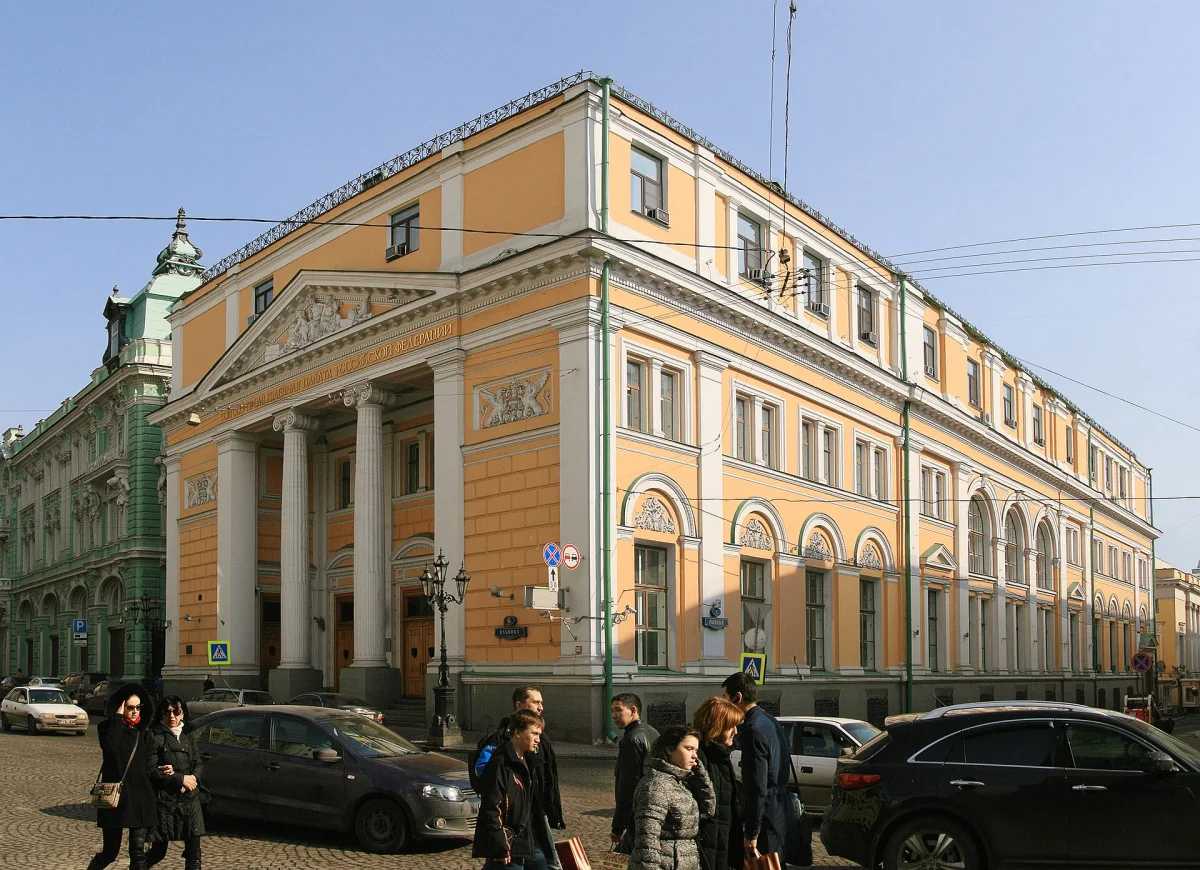
Russians who buy Tether’s USDT on Moscow Exchange in its first month of crypto trading will pay 22% value-added tax on top of the trade. The exchange’s clearinghouse, the National Clearing Centre (NCC), said on November 24, 2026 that it will charge VAT on all USDT purchases, sales and swaps settled between December 1 and December 31, 2026. Bitcoin and ether, the other two assets on the new market, are outside VAT. The levy makes USDT the most expensive of the three assets to trade on Russia’s first regulated crypto venue.
What the clearinghouse said
According to RBC, which quoted the NCC notice to market participants, the clearinghouse will apply VAT to “all transactions for the sale of foreign digital instruments (purchase and sale, swap transactions)” under Articles 153 and 164(3) of Russia’s Tax Code. “VAT will be calculated on top of the transaction amount. The applicable VAT rate is 22%,” the NCC said, as quoted by RBC. The clearinghouse said it was acting on the principle of prudence, to avoid claims from the tax authorities.
The practical effect is simple. crypto.news and Cryptobriefing both give the same example: an investor who wants 100,000 rubles’ worth of USDT would pay 122,000 rubles, before any broker fees.
Why USDT is taxed and bitcoin is not
The difference comes from how Russian law classifies each asset. Bitcoin and ether count as “digital currency”, and the Tax Code excludes sales of digital currency from VAT. USDT falls into a separate category, “foreign digital instruments”, which the current VAT rules do not exempt, according to crypto.news and Cryptobriefing.
The NCC presents the December charge as a stopgap. RBC reports that the clearinghouse cited a pending bill that would change the VAT treatment, and crypto.news says the NCC has asked the Federal Tax Service and the Finance Ministry for guidance. It will update participants if guidance arrives or if an exemption covering trades before January 1, 2027 is adopted. RBC notes a limit, though: the version of the bill passed in first reading in June exempted only non-deliverable instruments that certify monetary claims, such as the ruble-pegged A7A5 token. It is not clear from that text whether USDT would qualify.
The notice covers December only. It does not say how USDT trades will be taxed from January 2027.
The Moscow Exchange launch on December 1
Moscow Exchange’s press service told RBC the exchange plans to start crypto trading on December 1, 2026, as it had said earlier. The market will list bitcoin, ether and USDT, with same-day and next-day settlement and swap transactions, according to crypto.news.
The venue opens under Bank of Russia rules that took effect on November 17, which we covered in our report on Russia’s retail crypto rules. Non-qualified (retail) investors may buy up to 300,000 rubles a year through each intermediary, and only after passing a mandatory test. Qualified investors have no cap. Bitcoinist puts the cap at about $3,650, and Cryptobriefing at about $3,700.
What it means for investors
For a retail investor working within the cap, a 22% surcharge on USDT changes the comparison with bitcoin and ether on the same exchange. Offshore and peer-to-peer channels remain outside the regulated regime and are not covered by the NCC notice. Whether this pushes demand away from the new market will only be clear once trading starts.
Tax treatment is part of the total cost of any crypto trade, alongside trading and withdrawal fees; our guide to crypto fees, withdrawals and security explains how to compare them. For how other countries regulate crypto trading and stablecoins, see our crypto regulation by country guide.
FAQ
Does Moscow Exchange charge VAT on bitcoin and ether?
No. Bitcoin and ether are classed as digital currency, and their sales are outside VAT under Russia’s Tax Code. The 22% VAT applies to USDT, which is classed as a foreign digital instrument.
How long will the 22% VAT on USDT apply?
The clearinghouse notice covers USDT trades from December 1 to December 31, 2026. It may update participants if the tax authorities issue guidance or an exemption is adopted.
Is the VAT included in the USDT price?
No. The NCC said VAT will be calculated on top of the transaction amount, so 100,000 rubles of USDT costs 122,000 rubles before broker fees.
The bottom line
Moscow Exchange’s crypto market opens on December 1 with a tax wrinkle: USDT purchases, sales and swaps will carry 22% VAT on top of the trade price for at least the first month, while bitcoin and ether are exempt. The clearinghouse calls the charge a precaution until the law changes or regulators issue guidance, so investors should check the treatment again before January.
Sources:
- RBC — “USDT trades on Moscow Exchange to be charged 22% VAT until the Tax Code sets other rules” — November 24, 2026
- crypto.news — “Moscow Exchange to add 22% VAT to USDT trades in December” — November 24, 2026
- Cryptobriefing — “Moscow Exchange to add 22% VAT on USDT purchases when crypto trading opens” — November 24, 2026
- Bitcoinist — “Russia will impose 22% VAT on USDT trades as Moscow Exchange opens” — November 24, 2026
- crypto.news — “Russia’s largest stock exchange to launch Bitcoin, Ethereum, USDT trading” — November 25, 2026
News summary based on reporting cited above, current as of November 25, 2026. Quotes from Russian-language sources are our translations. Dollar figures are approximate. For general information only; not financial, tax or legal advice.
Photo: Ludvig14 / Wikimedia Commons, CC BY-SA 3.0 (https://commons.wikimedia.org/wiki/File:Moscow_exchange_D56.jpg)

Our platforms
The latest crypto platforms reviewed by our team.
Scellérance Review 2026: Legit or Scam? Test + Clones
Scellérance in our 2026 test: UK Ltd (CRN 15427916) under a Swiss parent (CHE-012.309.567, 2023), a £575 withdrawal in 1 h 10, three clone domains days old.
Opulendra Review 2026: Legit or Scam? Test + Clone Check
Opulendra in our 2026 test: Ontario corp 17588787, three-source AI signals, a CA$640 withdrawal in 45 minutes and why opulendra.org is not the official site.

Daybreak Trustmere Review 2026: Legit or Scam? FCA + Test
Daybreak Trustmere in our 2026 test: a UK Ltd with CRN 15858566, multi-channel signals, a £465 withdrawal test in 42 minutes and no FCA warning-list entry.

SterlingVault AI Review 2026: Scam or Legit? Registry Check
SterlingVault AI review 2026: scores 3.6/5 — FCA Register FRN 987654 verified, withdrawal test passed in 2h 35m — for UK beginners accepting market risk.

LamboledgerATOM Review 2026: Legit or Scam? Our UK Hands-On Test
LamboledgerATOM review 2026: Companies House and FCA Register checks (FRN 984613), US$250 minimum, Faster Payments withdrawals, pros, cons and who it suits.

MetreturnETH Review 2026: Scam or Legit? Canada Hands-On Look
MetreturnETH review 2026: Ontario registration, CIRO-member partner broker, US$250 minimum deposit, Interac withdrawals in minutes–2 hours, and who it suits.

NorthShield Advisory Review: Trustworthy or Not? Canada Test 2026
NorthShield Advisory review 2026: Ontario corporation check, CIRO-member partner broker, US$250 minimum, Interac payouts in minutes–2 hours, pros and cons.

Nuvaultance Review Canada: Legit Platform or Scam? Our Test
Nuvaultance review 2026: Ontario registry check, CIRO-member partner broker with CIPF cover, US$250 minimum, Interac withdrawals in minutes–2 hours, pros and cons.

VestAccrue Review 2026: Legit or Scam? A Canada Hands-On Analysis
VestAccrue review 2026: Ontario registration, CIRO-member partner broker, US$250 minimum (about CA$340), Interac withdrawals in minutes–2 hours, who it suits.