Wagyu's wrapped Monero token XMR1 crashes 99% after a $13.5M sell-off by a suspected attacker on Hyperliquid
On November 20, 2026, an account holding 5.2 million XMR1 tokens sold into Hyperliquid's order book for about $13.5 million, sending Wagyu's wrapped Monero from about $500 to around $1. The founder blames a web-host breach and promises personal refunds; native Monero was not affected.

Wagyu’s XMR1, a wrapped version of Monero that trades on Hyperliquid, lost more than 99% of its value in about half an hour on Friday, November 20, 2026. A newly created account received 5.2 million XMR1 from the token’s deployer account and sold into Hyperliquid’s order book for roughly $13.5 million, pushing the price from about $500 to around $1. Wagyu’s founder blames a breach at an Icelandic web host and has promised personal refunds. Monero itself was not compromised.
What happened
XMR1 is issued by Wagyu, a cross-chain swap and bridge service. Monero cannot trade on Hyperliquid natively, so Wagyu’s bridge lets users deposit XMR and receive XMR1, which they can later redeem for Monero, according to Decrypt. The token’s whole fixed supply sat with its deployer account, which held 18.6 million tokens, or 93%, before the drain.
The on-chain timeline comes from blockchain data firm Bitquery. At 03:30 UTC, the address later used by the seller received 0.098 ETH from Tornado Cash. Between 04:46 and 05:16 UTC, 5.2 million XMR1 left the deployer account in three transfers of 100,000, 100,000 and 5 million tokens. The first large sale hit at 04:49 UTC, and about $6.9 million was sold in under three minutes. By around 05:20 UTC the price was near $1.
In total, Bitquery counts 369,623 XMR1 sold to 420 buyers for $13.51 million. Earlier reports citing Bitquery, including Decrypt’s, gave about 364,000 tokens and 388 buyers. The Block reported a low of $0.65, while other outlets put the bottom at about $1 or slightly below.
Where the money went
The seller withdrew the USDC proceeds from Hyperliquid to Arbitrum, swapped them for ETH and bridged the funds to Ethereum. Bitquery puts the total at 7,467 ETH, with 7,348 ETH sitting in three wallets at its last check.
Bitquery also notes who was on the other side of the trades. About 75% of the money came from buy orders that were already resting in the book, and 27 accounts paid $100,000 or more each. One buyer alone paid $3.56 million. As Cryptopolitan’s report on Cryptonews.net stresses, the $13.5 million figure reflects what the seller received, not confirmed losses.
The episode is a reminder that a deep order book can be emptied in minutes when one party holds most of a token’s supply. We covered a similar access-control failure at Lighter, where a leaked API key drained about $10.4 million.
The founder’s explanation
Wagyu’s founder, who posts on X as PerpetualCow, blamed a breach at 1984.hosting, an Icelandic hosting provider. “The XMR1 deployer key was held on an OLD server on there that I DELETED, but somehow the logs/files were still kept,” the founder wrote, as quoted by The Block. Decrypt quoted a second post: “Lesson to learn here is that these hosting providers keep your data/logs even after you delete your server with them.”
That explanation has not been independently confirmed. 1984.hosting did suspend its services after a cyberattack, but Decrypt reports that the host’s joint statement with Iceland’s CERT-IS did not mention Wagyu. Bitquery says the blockchain cannot show where a key came from, and that part “rests on his word.”
Refunds and what is still unclear
The founder has promised compensation. “Everyone who lost money due to this will be refunded by me personally and Wagyu will re-launch at a later stage,” PerpetualCow wrote, as quoted by The Block and Bitcoin.com News. No timetable or payment process has been published, and the founder wrote: “Give me some time please.” As of 13:16 UTC on November 20, Bitquery saw no transfers to the ten largest buyers from other Hyperliquid accounts. No source reported any funds being returned. Wagyu’s website showed the service as temporarily unavailable.
The incident affected only the wrapped token and its bridge, not Monero’s network. Because Monero transactions are private, Bitquery says it cannot tell how much Monero still backs the XMR1 tokens that remain.
Wrapped assets add a custodian between the user and the underlying coin. Our guide to fees, withdrawals and security and our checklist for spotting crypto scams explain what to check before holding them.
FAQ
Was Monero hacked?
No. All the reports agree the incident involved Wagyu’s XMR1 wrapped token and its bridge, not the Monero network or native XMR.
How much was taken?
Bitquery counts about $13.51 million paid by 420 buyers for 369,623 XMR1 on Hyperliquid. The proceeds were converted into roughly 7,467 ETH.
Will XMR1 holders be refunded?
Wagyu’s founder has promised to personally refund everyone who lost money, but has given no timeline or process. No refunds had been confirmed as of November 20.
The bottom line
A single account holding most of XMR1’s supply sold about $13.5 million of the token into Hyperliquid in minutes, wiping out more than 99% of its price. The founder’s explanation, a leaked key from a deleted server at a breached host, is still unverified, and the refund promise has no timeline. Monero’s own network was not involved.
Sources:
- Bitquery — “XMR1 Hack: $13.5M Taken From 388 Hyperliquid Buyers” (investigation, updated 13:30 UTC) — November 20, 2026
- The Block — “Wagyu’s XMR1 wrapped Monero plunges 99% after $13 million hack as founder promises refunds” — November 20, 2026
- Bitcoin.com News — “Wrapped Monero Token XMR1 Crashes After $13M Exploit, Founder Vows Repayment” — November 20, 2026
- Decrypt via Yahoo Finance — “Wrapped Monero Token Collapses 99% After $13 Million Hack Blamed on Web Host” — November 20, 2026
- Cryptopolitan via Cryptonews.net — “Wagyu operator pledges personal refunds after $13M XMR1 collapse” — November 20, 2026
News summary based on reporting cited above, current as of November 21, 2026. The cause of the incident has not been independently confirmed. For general information only; not financial or legal advice.
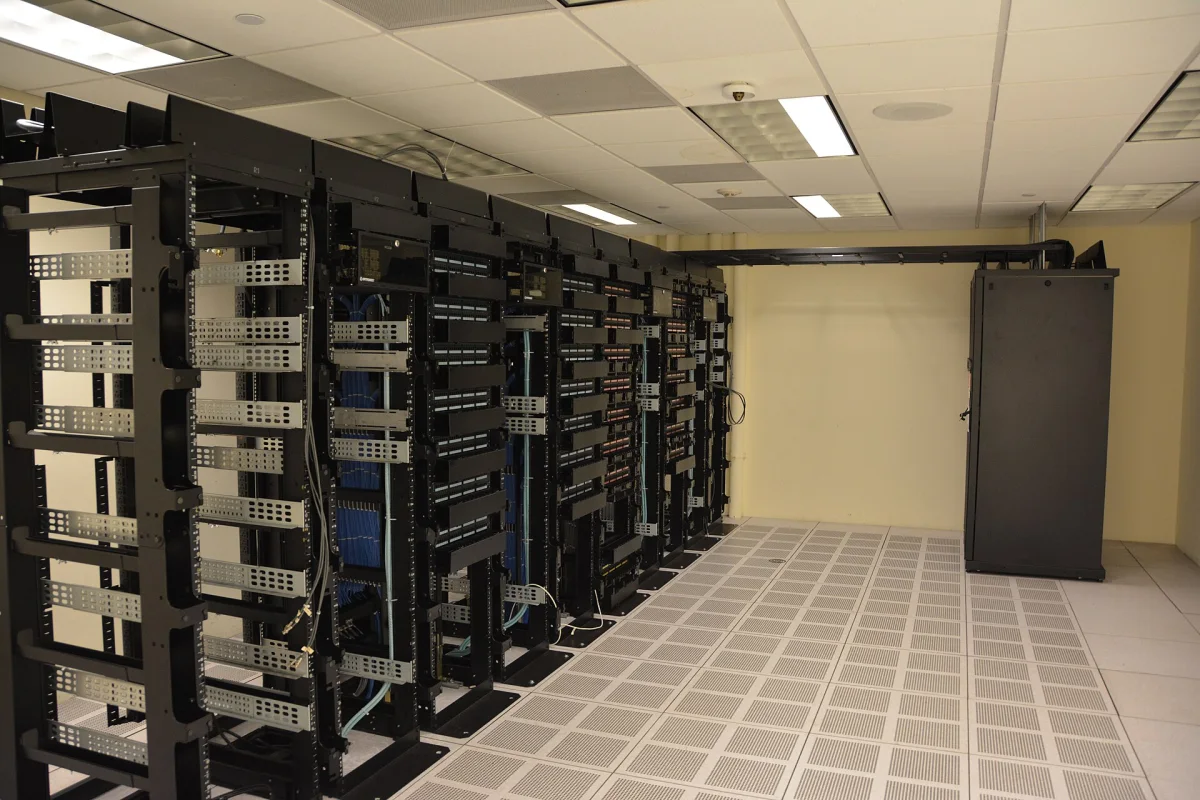
Photo: Carl Lender from Sunrise, USA / Wikimedia Commons, CC BY 2.0 (https://commons.wikimedia.org/wiki/File:Datacenter_Server_Racks_(22370909788).jpg)

Our platforms
The latest crypto platforms reviewed by our team.

Scellérance Review 2026: Legit or Scam? Test + Clones
Scellérance in our 2026 test: UK Ltd (CRN 15427916) under a Swiss parent (CHE-012.309.567, 2023), a £575 withdrawal in 1 h 10, three clone domains days old.

Opulendra Review 2026: Legit or Scam? Test + Clone Check
Opulendra in our 2026 test: Ontario corp 17588787, three-source AI signals, a CA$640 withdrawal in 45 minutes and why opulendra.org is not the official site.

Daybreak Trustmere Review 2026: Legit or Scam? FCA + Test
Daybreak Trustmere in our 2026 test: a UK Ltd with CRN 15858566, multi-channel signals, a £465 withdrawal test in 42 minutes and no FCA warning-list entry.

SterlingVault AI Review 2026: Scam or Legit? Registry Check
SterlingVault AI review 2026: scores 3.6/5 — FCA Register FRN 987654 verified, withdrawal test passed in 2h 35m — for UK beginners accepting market risk.

LamboledgerATOM Review 2026: Legit or Scam? Our UK Hands-On Test
LamboledgerATOM review 2026: Companies House and FCA Register checks (FRN 984613), US$250 minimum, Faster Payments withdrawals, pros, cons and who it suits.

MetreturnETH Review 2026: Scam or Legit? Canada Hands-On Look
MetreturnETH review 2026: Ontario registration, CIRO-member partner broker, US$250 minimum deposit, Interac withdrawals in minutes–2 hours, and who it suits.

NorthShield Advisory Review: Trustworthy or Not? Canada Test 2026
NorthShield Advisory review 2026: Ontario corporation check, CIRO-member partner broker, US$250 minimum, Interac payouts in minutes–2 hours, pros and cons.

Nuvaultance Review Canada: Legit Platform or Scam? Our Test
Nuvaultance review 2026: Ontario registry check, CIRO-member partner broker with CIPF cover, US$250 minimum, Interac withdrawals in minutes–2 hours, pros and cons.

VestAccrue Review 2026: Legit or Scam? A Canada Hands-On Analysis
VestAccrue review 2026: Ontario registration, CIRO-member partner broker, US$250 minimum (about CA$340), Interac withdrawals in minutes–2 hours, who it suits.