Upbit and Bithumb freeze CYBER transfers after 5.2 million unbacked tokens are minted in a suspected bridge exploit
Cyber, formerly CyberConnect, is investigating a suspected exploit of its LayerZero bridge on November 21, 2026. About 5.21 million CYBER were minted on Solana, released from the Ethereum lockbox and sold for about 575 ETH (~$968,000). Upbit and Bithumb suspended CYBER deposits and withdrawals.

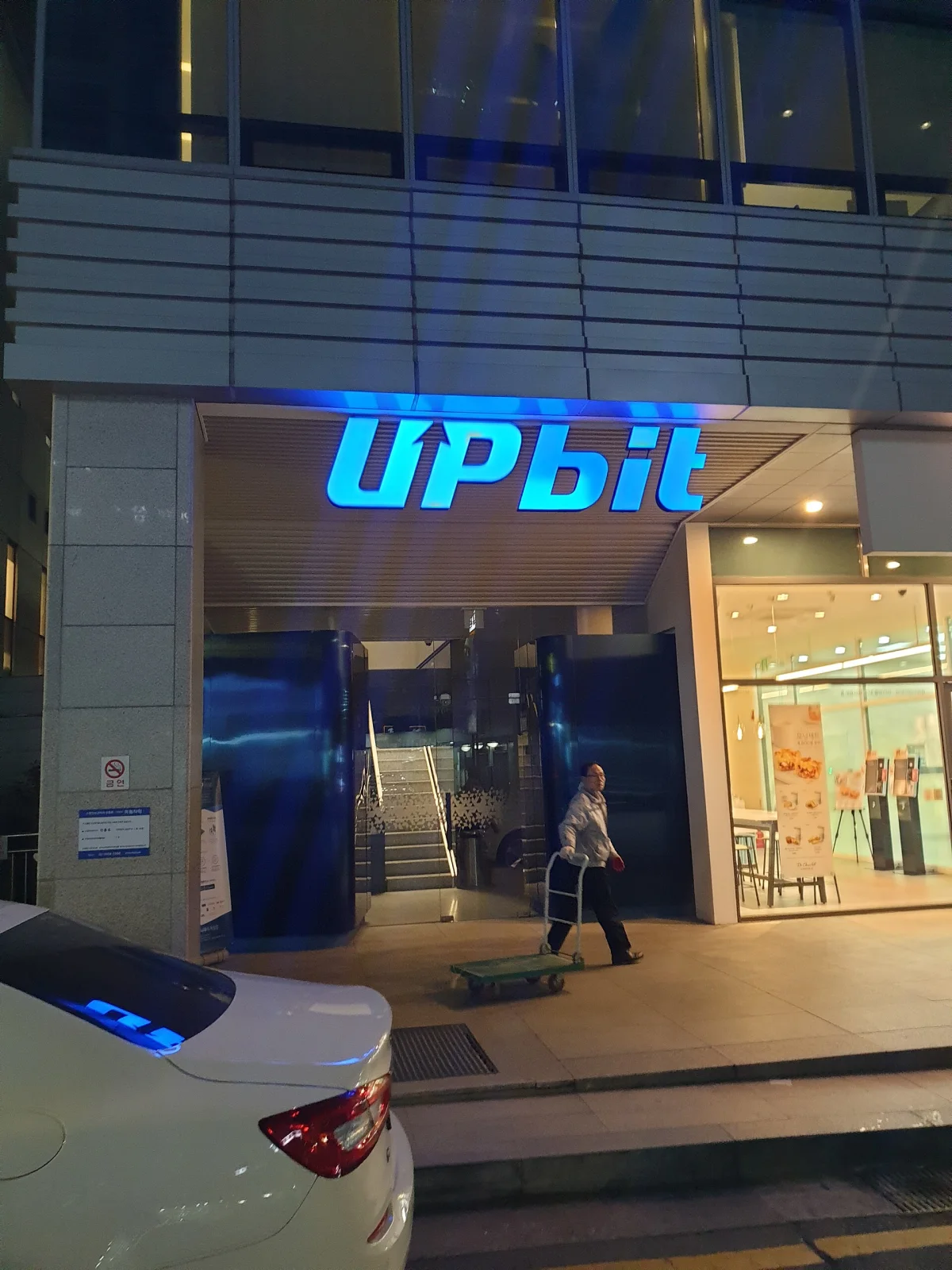
Cyber, the blockchain project formerly known as CyberConnect, is investigating a suspected exploit of its token bridge after about 5.21 million CYBER were minted on Solana without backing on Saturday, November 21, 2026. An equal amount of real CYBER then left the bridge’s Ethereum lockbox and was sold for about 575 ETH, worth roughly $968,000. South Korea’s two largest exchanges, Upbit and Bithumb, suspended CYBER deposits and withdrawals. Trading in the token stays open. No funds have been reported frozen or recovered.
What happened on the bridge
Cyber uses a LayerZero-based bridge to move its CYBER token between chains. On Ethereum, the real tokens sit in a lockbox contract. When CYBER moves to another chain, tokens there are minted against that locked supply.
According to The Block, citing Upbit’s notice and onchain data, 5,213,000 CYBER were minted on Solana at 11:13 a.m. ET (16:13 UTC). Two minutes later the same amount left CyberTokenAdapter, the Ethereum contract that holds CYBER for the bridge. The tokens went to a wallet that had been funded for the first time less than an hour earlier.
Crypto Briefing reported the same 5.21 million figure. It described research findings that forged bridge messages had passed normal validation, which let the attacker take real tokens out of the Ethereum escrow. That account has not been confirmed by Cyber or by a named security firm.
Where the tokens went
The Block reported that most of the CYBER was sold for ETH through KyberSwap and MetaMask Swaps, mostly in batches of 150,000 tokens. At 12:40 p.m. ET, 575.29 ETH moved to a fresh address, where it was still sitting at the time of The Block’s report. About 412,000 CYBER went to three unlabeled addresses.
Both The Block and Crypto Briefing put the proceeds at about 575 ETH, or roughly $968,000. Crypto Briefing said there was “no public indication” that any of the funds had been frozen or recovered.
Upbit and Bithumb pause transfers
Both Korean exchanges acted within about an hour of the mint. The Block reported that the two suspended CYBER deposits and withdrawals shortly after noon ET on November 21, which was already early Sunday in Seoul. That is why Cointelegraph dates Bithumb’s announcement to Sunday.
The two exchanges did not take the same approach to trading:
- Bithumb suspended deposits and withdrawals “because of suspected security issues,” Cointelegraph reported. Trading continues, and transfers will resume “once network stability was assured.”
- Upbit suspended deposits and withdrawals and issued a trading caution warning of possible price volatility. It did not halt trading, according to The Block and Crypto Briefing.
For holders, this means CYBER can still be bought and sold on both venues but cannot be moved on or off them. Our guide to fees, withdrawals and security explains how exchanges use these pauses during incidents.
What Cyber has told users
Cyber said in a post on X that its team was checking which assets and bridge routes were affected, The Block reported. Until the review is done, it advised users not to use the CYBER bridge and not to deposit CYBER to exchanges. It also said users do not need to migrate tokens, connect wallets or sign anything. That last point matters because scammers often pose as projects after an exploit and send fake “migration” links.
Cyber has not yet said how the minting was possible, whether the bridge is fully paused, or what it plans to do about the unbacked tokens on Solana. Crypto Briefing named those as the open questions.
The incident adds to a run of losses this weekend. Cross-chain swap protocol Chainflip put its loss at about $12 million after a vault drain on the same day, and a suspected attacker dumped Wagyu’s wrapped Monero token on Hyperliquid a day earlier. In each case, the weak point was the code or keys that link assets across chains.
FAQ
What happened to Cyber’s bridge?
About 5.21 million CYBER were minted on Solana without backing on November 21, 2026. The same amount of real CYBER then left the bridge’s Ethereum lockbox and was sold for about 575 ETH, roughly $968,000.
Can I still trade CYBER on Upbit and Bithumb?
Yes. Both exchanges suspended CYBER deposits and withdrawals, but trading continues. Upbit added a trading caution warning of possible volatility.
What has Cyber advised users to do?
Cyber told users not to use the CYBER bridge and not to deposit CYBER to exchanges while it investigates. It said users do not need to migrate tokens, connect wallets or sign anything.
Sources:
- The Block — “Cyber investigating suspected $1 million bridge exploit as Upbit, Bithumb freeze transfers” — November 21, 2026
- Cointelegraph — “Upbit, Bithumb Halt CYBER Transfers After Suspected Bridge Exploit” — November 22, 2026
- Crypto Briefing — “Cyber bridge exploit mints 5.21 million CYBER tokens, Upbit and Bithumb freeze transfers” — November 21, 2026
The bottom line
Cyber’s suspected bridge exploit cost about 575 ETH, or roughly $968,000, a small loss next to this weekend’s other incidents. It still left 5.21 million unbacked CYBER on Solana and froze transfers on Korea’s two biggest exchanges. Deposits and withdrawals on Upbit and Bithumb will stay paused until Cyber says which bridge routes are safe. Until then, holders should follow Cyber’s advice and stay off the bridge. If you hold tokens on centralized exchanges, expect exactly this kind of pause when a project’s infrastructure is in doubt.
News summary based on reporting cited above, current as of November 22, 2026. Amounts are based on onchain data and exchange notices and may change as Cyber’s investigation continues. For general information only. Not financial or legal advice.
Photo: Altostratus / Wikimedia Commons, CC BY 4.0 (https://commons.wikimedia.org/wiki/File:Upbit_Entrence.jpg)

Our platforms
The latest crypto platforms reviewed by our team.

Scellérance Review 2026: Legit or Scam? Test + Clones
Scellérance in our 2026 test: UK Ltd (CRN 15427916) under a Swiss parent (CHE-012.309.567, 2023), a £575 withdrawal in 1 h 10, three clone domains days old.

Opulendra Review 2026: Legit or Scam? Test + Clone Check
Opulendra in our 2026 test: Ontario corp 17588787, three-source AI signals, a CA$640 withdrawal in 45 minutes and why opulendra.org is not the official site.

Daybreak Trustmere Review 2026: Legit or Scam? FCA + Test
Daybreak Trustmere in our 2026 test: a UK Ltd with CRN 15858566, multi-channel signals, a £465 withdrawal test in 42 minutes and no FCA warning-list entry.

SterlingVault AI Review 2026: Scam or Legit? Registry Check
SterlingVault AI review 2026: scores 3.6/5 — FCA Register FRN 987654 verified, withdrawal test passed in 2h 35m — for UK beginners accepting market risk.

LamboledgerATOM Review 2026: Legit or Scam? Our UK Hands-On Test
LamboledgerATOM review 2026: Companies House and FCA Register checks (FRN 984613), US$250 minimum, Faster Payments withdrawals, pros, cons and who it suits.

MetreturnETH Review 2026: Scam or Legit? Canada Hands-On Look
MetreturnETH review 2026: Ontario registration, CIRO-member partner broker, US$250 minimum deposit, Interac withdrawals in minutes–2 hours, and who it suits.

NorthShield Advisory Review: Trustworthy or Not? Canada Test 2026
NorthShield Advisory review 2026: Ontario corporation check, CIRO-member partner broker, US$250 minimum, Interac payouts in minutes–2 hours, pros and cons.

Nuvaultance Review Canada: Legit Platform or Scam? Our Test
Nuvaultance review 2026: Ontario registry check, CIRO-member partner broker with CIPF cover, US$250 minimum, Interac withdrawals in minutes–2 hours, pros and cons.

VestAccrue Review 2026: Legit or Scam? A Canada Hands-On Analysis
VestAccrue review 2026: Ontario registration, CIRO-member partner broker, US$250 minimum (about CA$340), Interac withdrawals in minutes–2 hours, who it suits.