South Korea's draft crypto law puts banks in control of won stablecoins and ends the nine-year ICO ban
South Korea's Financial Services Commission unveiled a draft digital asset law on November 24, 2026 that limits early won stablecoin issuance to bank-majority consortia, caps exchange shareholders at 20% (34% with approval) and reopens domestic ICOs under white-paper disclosure rules.
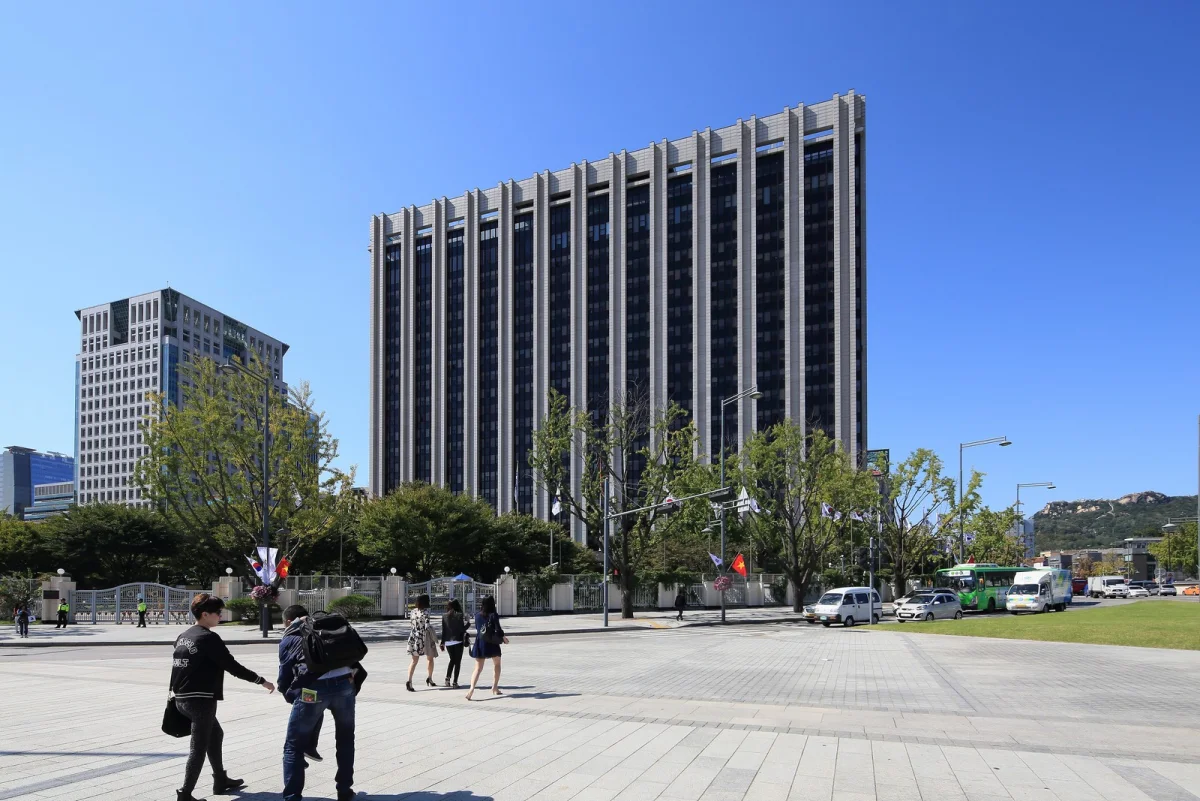
South Korea’s Financial Services Commission (FSC) has published the draft of the country’s second major crypto law, and it settles a months-long fight over who may issue a won stablecoin: at first, only consortia in which banks collectively hold a majority. Presented on Tuesday, November 24, 2026, the bill also caps how much of a crypto exchange any one shareholder may own and lifts the domestic ban on initial coin offerings that has been in place since 2017. It still has to pass the National Assembly.
Banks first for won stablecoins
The FSC’s press release describes the bill as an act on digital asset industry innovation and user protection, approved for legislative push at a Virtual Asset Committee meeting chaired by FSC Chairman Lee Eok-won. It defines stablecoins as “digital payment tokens” and requires issuers to obtain FSC authorization and hold at least 5 billion won in equity capital (about $3.4–3.7 million at the conversions used by CoinDesk and crypto.news).
In the early stage of the regime, only consortia in which banks own more than half may issue. A fintech or technology company can still be the largest single shareholder. Both Seoul Economic Daily and crypto.news give the same illustration: four banks at 15% each for a combined 60%, a tech firm at 30% and another company at 10%.
According to CoinDesk, the compromise ends a dispute between the Bank of Korea, which pushed for bank control over capital-flow and monetary concerns, and the FSC, which had favoured letting non-bank companies issue as well.
Reserves, redemption and foreign coins
Issuers must file an issuance plan for FSC approval, issue tokens at par, hold reserves of at least 100% of tokens outstanding with custodians such as banks, and redeem at face value without delay. Paying interest to holders is prohibited. Tokens without an approved or filed plan cannot be listed or traded in Korea, a point CoinDesk also highlights.
Stablecoins with 1 trillion won or more outstanding can be designated “significant,” which brings extra capital and stricter reserve-liquidity requirements, and the Bank of Korea may request joint examinations of those issuers. Foreign issuers that want to issue and redeem directly in Korea would need a local branch and FSC registration; the FSC text limits this route to issuers adequately supervised at home. How that will apply to USDT and USDC trading on local exchanges is one of the open questions lawyers raised to Seoul Economic Daily. Our stablecoin regulation explainer compares this model with the US and EU approaches.
Exchange ownership capped at 20%
The bill introduces a designated “platform operator” status for exchanges that hold trading, brokerage and custody licences. Modelled on rules for alternative trading systems, a single shareholder would generally be limited to 20% of an exchange, rising to 34% with FSC approval. Shares above the cap lose voting rights. Exchanges get three years after designation to comply, and smaller exchanges that need investment can receive up to three more years, per the FSC and crypto.news.
The bill also makes exchanges liable for user losses from hacks and system outages even without proven fault. That matters in a market that has seen repeated incidents this month, including the CYBER token freeze on Upbit and Bithumb.
ICOs return, with disclosure
Domestic token sales, banned since 2017, would be allowed on a disclosure basis. Issuers or distributors must file a white paper with the FSC and publish it before soliciting buyers, and the regulator can demand corrections. The FSC adds a waiting period between filing and the start of the sale. FXStreet reports the same reopening and the white-paper requirement.
What happens next
No effective date has been set. The FSC says it will support the legislative process so the bill can be enacted quickly after sufficient debate in the National Assembly, and CoinDesk notes the measures need legislation before they take effect. The bill follows the commission’s tighter rules on crypto transfers abroad announced a day earlier. For how Korea compares with other markets, see our crypto regulation by country guide.
FAQ
Who can issue a won stablecoin under the draft?
At first, only FSC-authorized consortia in which banks collectively own more than 50%, with at least 5 billion won in equity. A fintech or tech firm may be the largest individual shareholder.
How much of a Korean crypto exchange can one shareholder own?
Generally 20%, or up to 34% with FSC approval. Exchanges get three years after designation to comply, and smaller exchanges can get up to three more.
Are ICOs legal in South Korea now?
Not yet. The draft would reopen them with a mandatory white paper filed with the FSC, but the bill must first pass the National Assembly.
Sources:
- Financial Services Commission — press release on the digital asset industry innovation and user protection bill (Korean) — November 24, 2026
- CoinDesk — “South Korea proposes bank-majority rules for won stablecoins, caps exchange stakes at 20%” — November 24, 2026
- crypto.news — “South Korea unveils crypto bill to lift ICO ban and regulate stablecoins” — November 24, 2026
- Seoul Economic Daily — “Korea to Let Banks and Fintechs Issue Won Stablecoins” — November 24, 2026
- FXStreet — “South Korea proposes to lift nine-year ban on ICOs, mandate bank-led Won stablecoins” — November 24, 2026
The bottom line
South Korea’s regulator has chosen a bank-led model for won stablecoins, with full reserves, no interest and Bank of Korea oversight of the largest coins. The same bill caps exchange ownership at 20% and brings back ICOs under disclosure rules. None of it applies until lawmakers pass the bill, and no timetable has been published.
News summary based on the official release and reporting cited above, current as of November 24, 2026. The provisions described are from a draft bill and may change in the National Assembly. For general information only; not financial or legal advice.
Photo: Seoul Institute / Wikimedia Commons, CC BY 4.0 (https://commons.wikimedia.org/wiki/File:Government_Complex_Seoul_Main_Building.jpg)

Our platforms
The latest crypto platforms reviewed by our team.
Scellérance Review 2026: Legit or Scam? Test + Clones
Scellérance in our 2026 test: UK Ltd (CRN 15427916) under a Swiss parent (CHE-012.309.567, 2023), a £575 withdrawal in 1 h 10, three clone domains days old.
Opulendra Review 2026: Legit or Scam? Test + Clone Check
Opulendra in our 2026 test: Ontario corp 17588787, three-source AI signals, a CA$640 withdrawal in 45 minutes and why opulendra.org is not the official site.

Daybreak Trustmere Review 2026: Legit or Scam? FCA + Test
Daybreak Trustmere in our 2026 test: a UK Ltd with CRN 15858566, multi-channel signals, a £465 withdrawal test in 42 minutes and no FCA warning-list entry.

SterlingVault AI Review 2026: Scam or Legit? Registry Check
SterlingVault AI review 2026: scores 3.6/5 — FCA Register FRN 987654 verified, withdrawal test passed in 2h 35m — for UK beginners accepting market risk.

LamboledgerATOM Review 2026: Legit or Scam? Our UK Hands-On Test
LamboledgerATOM review 2026: Companies House and FCA Register checks (FRN 984613), US$250 minimum, Faster Payments withdrawals, pros, cons and who it suits.

MetreturnETH Review 2026: Scam or Legit? Canada Hands-On Look
MetreturnETH review 2026: Ontario registration, CIRO-member partner broker, US$250 minimum deposit, Interac withdrawals in minutes–2 hours, and who it suits.

NorthShield Advisory Review: Trustworthy or Not? Canada Test 2026
NorthShield Advisory review 2026: Ontario corporation check, CIRO-member partner broker, US$250 minimum, Interac payouts in minutes–2 hours, pros and cons.

Nuvaultance Review Canada: Legit Platform or Scam? Our Test
Nuvaultance review 2026: Ontario registry check, CIRO-member partner broker with CIPF cover, US$250 minimum, Interac withdrawals in minutes–2 hours, pros and cons.

VestAccrue Review 2026: Legit or Scam? A Canada Hands-On Analysis
VestAccrue review 2026: Ontario registration, CIRO-member partner broker, US$250 minimum (about CA$340), Interac withdrawals in minutes–2 hours, who it suits.